Description
Native Prairie Foods You Can Grow, Learn, and Steward
The Edible Collection brings together time-tested prairie plants and practical knowledge in one thoughtfully curated bundle. Designed for land stewards, gardeners, and native plant enthusiasts, this collection pairs the essential book Edible Wild Plants of the Prairie by Kelly Kindscher with seven native seed packets that offer real food value—for people, pollinators, and the land itself.
Kelly Kindscher’s book is a trusted guide to the edible plants of the prairie, blending ethnobotany, ecology, and hands-on insight.
It explores how Indigenous peoples and early settlers relied on native plants for nourishment, medicine, and resilience—and how those same plants still belong in modern landscapes today. Clear, accessible, and deeply rooted in prairie science, this book helps readers understand not just what to eat, but why these plants matter.
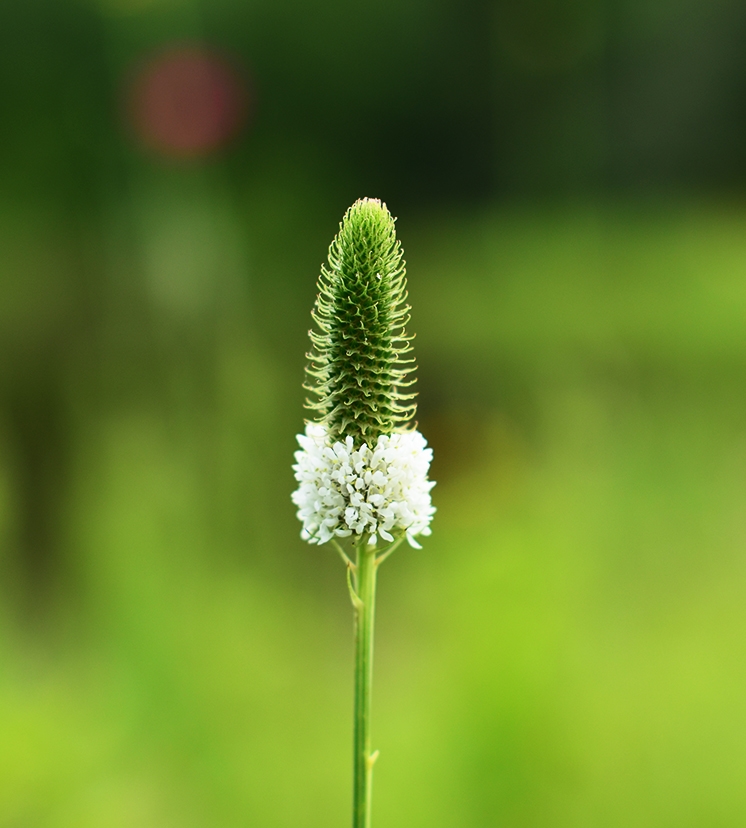
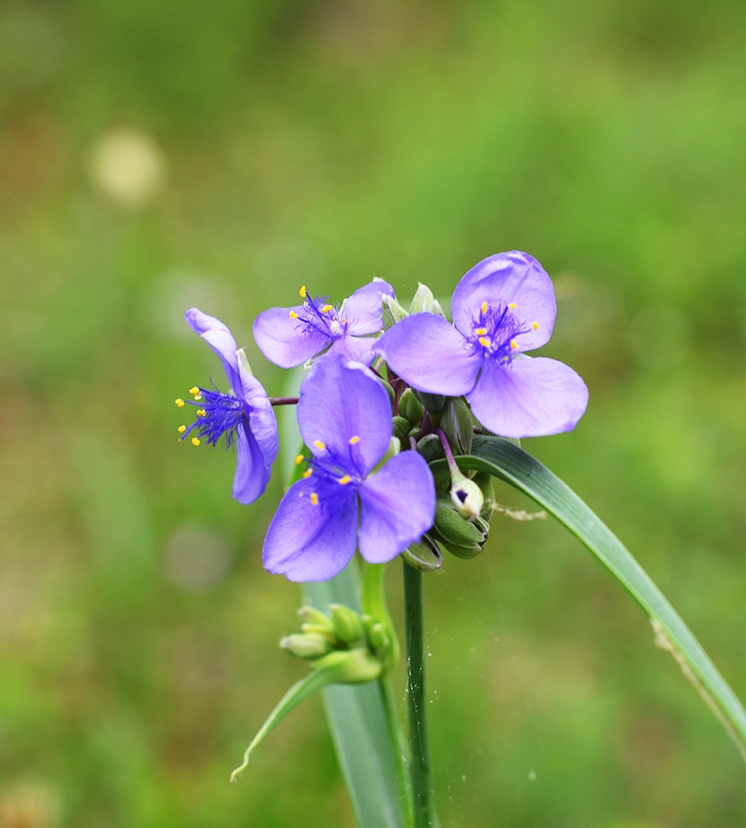
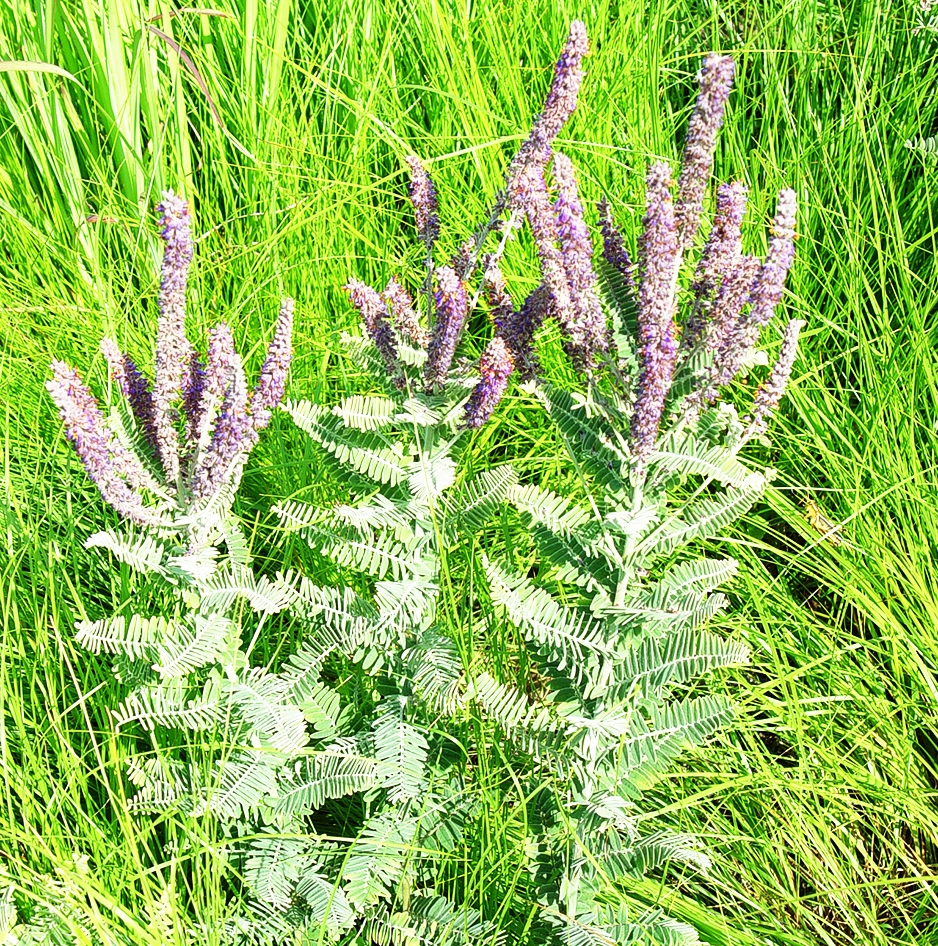
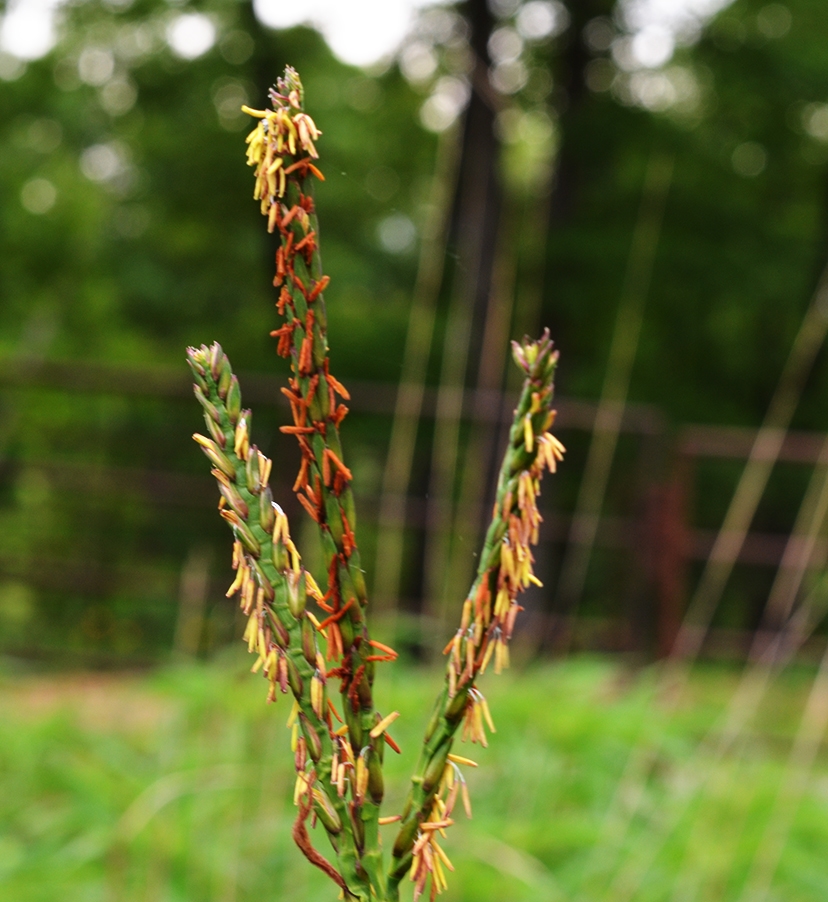
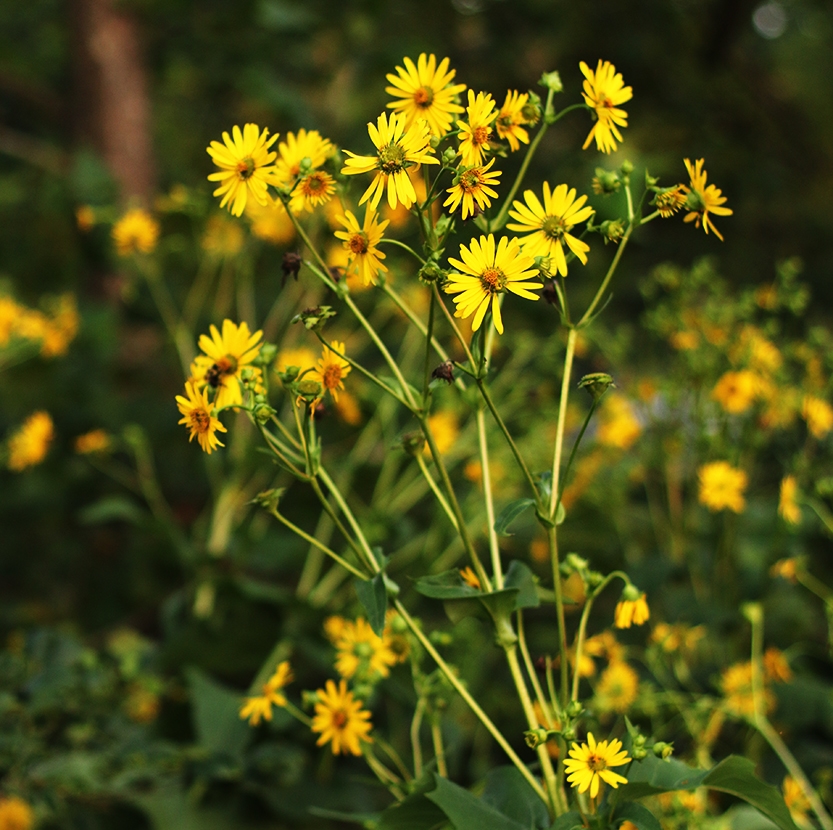
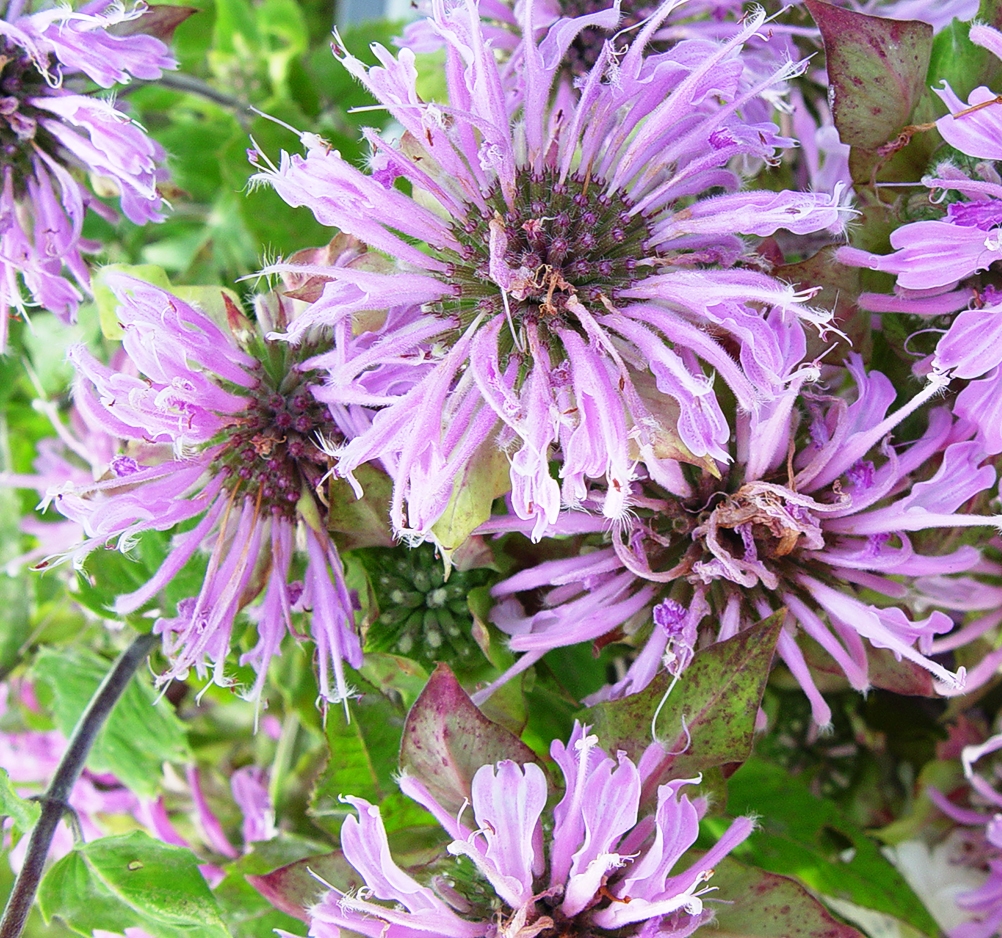
The included seed packets feature a diverse mix of edible and multi-purpose native prairie species:
Together, these species represent the deep connection between food, ecology, and prairie restoration. They support pollinators, improve soil health, and reconnect us with native food systems that thrive without synthetic inputs.
Whether you’re planting a prairie garden, restoring land, or simply curious about edible native plants, the Edible Collection offers a meaningful way to grow knowledge alongside native foods—rooted in history, resilience, and stewardship.
Interested in buying the book by itself? CLICK THIS LINK
Want to Learn More About our 2026 Plant of the Year – Cup Plant? CLICK THIS LINK