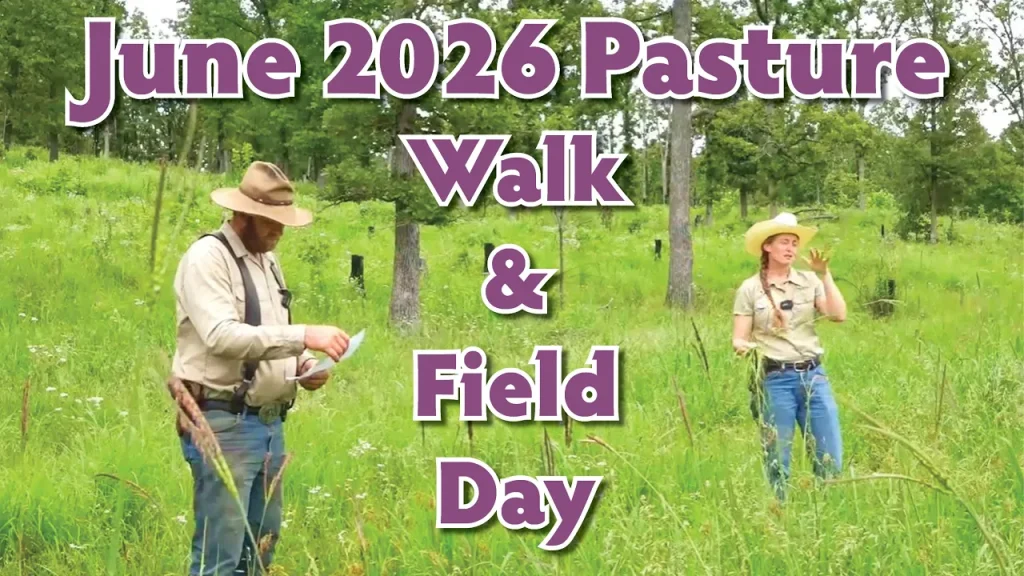
At this field day, we explore a powerful idea: sometimes the things we overlook hold the greatest value. From diverse native grasslands and savannas to wildlife habitat, livestock production, soil health, and water infiltration, this discussion examines how native plants can help restore both ecological function and agricultural productivity. We take a close look at the role of native warm-season grasses, cool-season grasses, wildflowers, legumes, and pollinator plants, and why diversity matters. Along the way, we discuss grazing management, woodland restoration, prescribed fire, quail habitat, watershed health, and the surprising productivity gains that can come from recreating functioning native ecosystems.
Whether you’re a landowner, cattle producer, conservation professional, hunter, or simply someone interested in improving the land you steward, this video offers practical insights and real-world examples from decades of experience growing, managing, and grazing native plant communities. Join us as we explore how working with nature’s design—not against it—can create healthier landscapes, stronger wildlife populations, more resilient grazing systems, and a deeper appreciation for the native plants that have shaped this region for thousands of years.
Time Stamps:
Start to 17:26 – Introduction by Elizabeth Steele
17:27 to 49:30 – Silvopasture Conversion to Diverse Natives for the Benefits of Cattle & Native Wildlife (Colt Hamilton & Elizabeth Steele)
49:31 to 2:07:29 – Grazing Management, Cattle Health & Condition on Diverse Natives. Benefits of Burning Pasture (Loren Steele, Colt Hamilton & Elizabeth Steele)
2:07:30 to End – Soil Health, Rotation Management, Water Infiltration on Diverse Natives vs. Fescue Pasture, Haying Native Warm Season Grasses (Colt Hamilton & Elizabeth Steele)