How to Identify & Control Poison Hemlock Without Herbicides | Best Time to Cut It
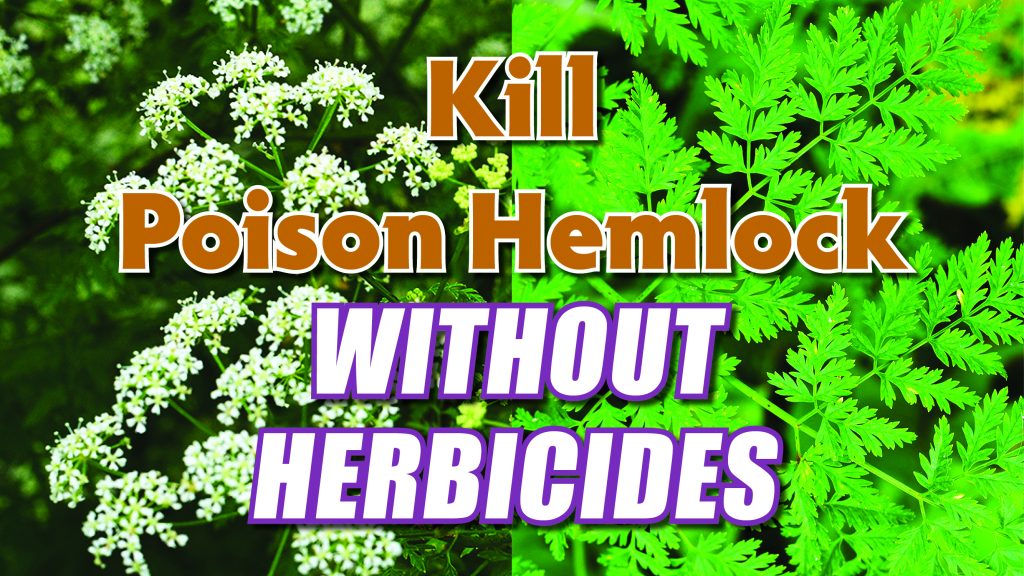
Poison Hemlock (Conium maculatum) is one of the most aggressive invasive weeds found on farms, pastures, roadsides, and native plantings—but controlling it doesn’t always require herbicides. In this video, Philip from Hamilton Native Outpost explains how to correctly identify Poison Hemlock by comparing it with lookalike plants such as Queen Anne’s Lace, Hedge Parsley, and Common Ragweed. You’ll learn the key characteristics to watch for, including the smooth stem with distinctive purple-red blotches, plant height, flower structure, and growth habit. Philip also demonstrates Hamilton Native Outpost’s chemical-free approach to controlling Poison Hemlock.
Learn why timing is critical, when the plants should be cut to prevent seed production, the tools that work best, and how this method has helped reduce Poison Hemlock while protecting valuable, native broadleaf species. Whether you manage a pasture, prairie, or wildlife habitat, these practical tips can help you reduce invasive pressure while promoting healthier, more diverse landscapes.