Join our Sorghum Event September 11 & 12, 2026. You can RSVP here.
Identifying a Wild Rye Seedling

Identifying Wild Rye Seedlings

Identification of Wild Rye seedlings such as Virginia Wild Rye (Elymus virginicus), Southeast Wild Rye (Elymus virgnicus var. glabriflorus or Elymus glabriflorus), Canada Wild Rye (Elymus canadensis), Early Wild Rye (Elymus macgregorii), and Bottlebrush Grass (Elymus patula or Hystrix patula) can be difficult. Below is a list of characteristics to look for. Also, below is a video to watch our staff showing these characteristics and a take-to-the-field guide on Wild Rye identification. We hope this helps with identifying Wild Rye seedlings in your new planting!
Key Characteristics for Identifying Wild Rye Seedlings

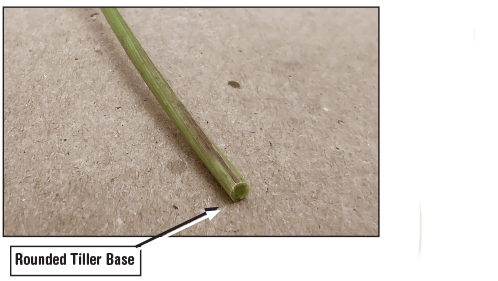
  • Usually has a rounded tiller base
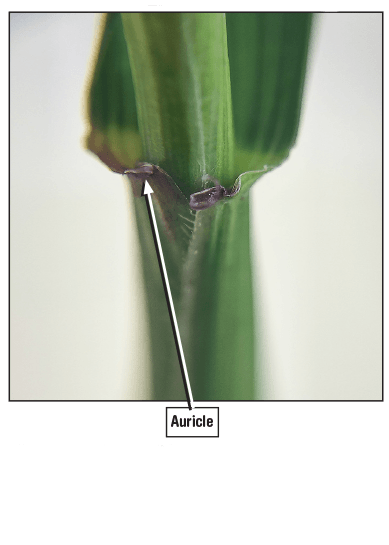
  • Auricles are visible to the naked eye (on most species)
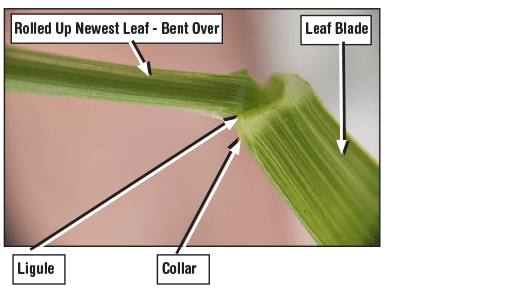
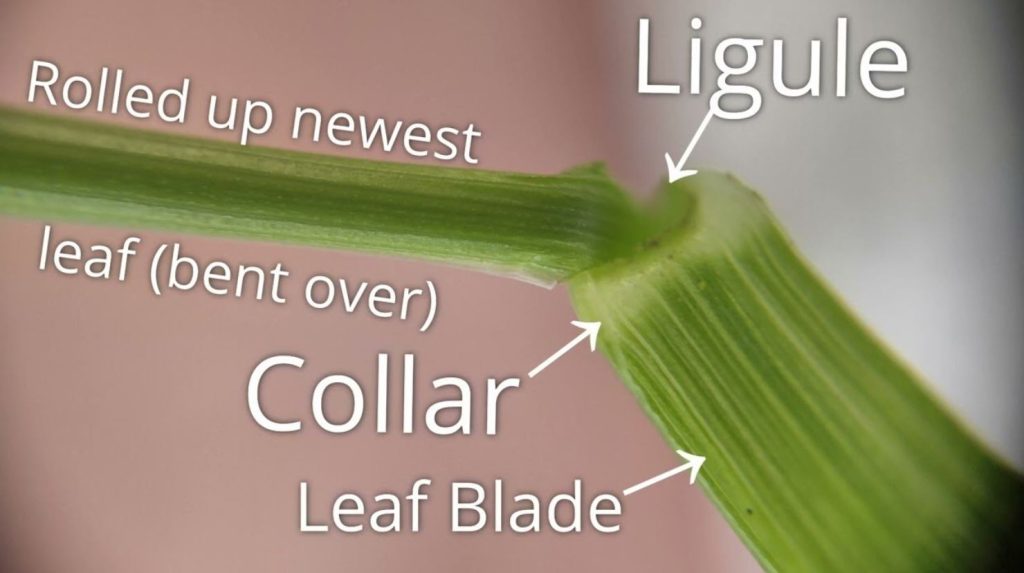
  • Short ligule with a ragged top
  • Leaves feel rough when rubbed between fingers, but when thumbnail is run across the leaf perpendicular to the ridges, the veins don’t feel like “mountain ranges”
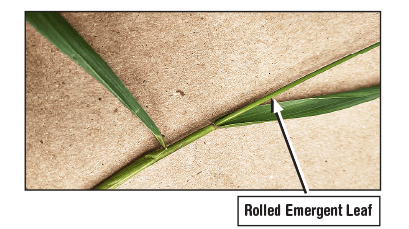
  • Rolled emergent leaf (newest leaf)
  • Single leaf to start with (monocot)
  • Often has purple colors
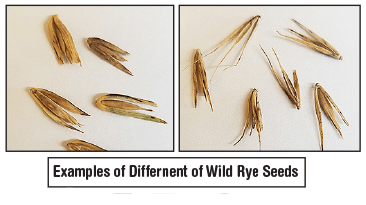
  • Look for the seed under the soil on the root system. Wild Rye seeds vary in appearance based on species and variety
  • Germinates in spring or fall when soil temperature is between 39 to 45 degrees Fahrenheit
  • Different species or individual plants can vary from grass-green to a blue-green
  • Beware of Look-Alikes: Indiangrass (flattened tiller base), and Switchgrass (ligule looks like a tuft of hair)

Video on Identifying Wild Rye Seedlings

Take-to-The-Field Guide on Wild Rye Seedling Identification

Download Wild Rye Identification Guide

More Help With New Plantings

Other Seedling Identification Help

The following seedling identification guides are also available

First Year Weed Control Guides

We have guides for various weed control techniques during the first year of a native planting such as mowing high, using selective herbicides, and grazing. The First-Year Weed Control Overview can help you know which options may be best for your planting.

Share this!

Leave a Reply

Your email address will not be published. Required fields are marked *

Receive monthly emails with our latest native plant articles and videos.

newsletter icon, Hamilton Native Outpost