Patch Burn Grazing Native Grasslands – Explained By A Pro
Patch burn grazing (PBG) is a grazing technique used on native grasslands.
It might be described as a managed grazing system with less work than rotational/AMP/MIG systems. Patch burn grazing uses controlled burns on portions of a field to create a shifting mosaic of burned and unburned patches. In the burned sections (usually 1/3 of the total area), fresh, nutrient-rich regrowth attracts livestock and they spend 2/3 of their time grazing there. The sections that are not burned in that year are grazed to a lesser degree as the livestock spends 1/3 of their time in this 2/3 of the area, providing a diversity of structure for wildlife habitat, soil health benefits, and rest for the plants. For stocker cattle and optimum gains, the cattle are put on the pasture when the grass is 3-6″ tall (usually 1st week of May) and remain on the pasture until August.
Stocker cattle and cows grazing patterns can vary somewhat. In spite of the fact that the animals are on the same pasture season-long, the problems of continuous grazing, such as permanent paths and overgrazed grass, are not evident in PBG. Combining native plants, which are very drought resistant plants, with PBG, which has a natural drought reserve built-in, results in very stable forage production.
Benefits of Patch Burn Graxzing are:
1) Simplicity.
2) Wildlife habitat including quail and other grassland birds – both those that prefer close grazing and rested grassland.
3) Very minimal consumption of bagged mineral.
4) A high rate of gain (summer-long average 1.65 to 2.0 lbs per day).
5) Animal can select its diet which can impact meat flavor and tenderness.
Disadvantages of Patch Burn Grazing are:
1) The controlled burn is critical each year.
2) Controlled burns have inherent risk.
3) Low-growing plants, especially those with poorer palatability, can become a problem. Such as old-world bluestems, bermudagrass, bluegrass, and tall fescue.
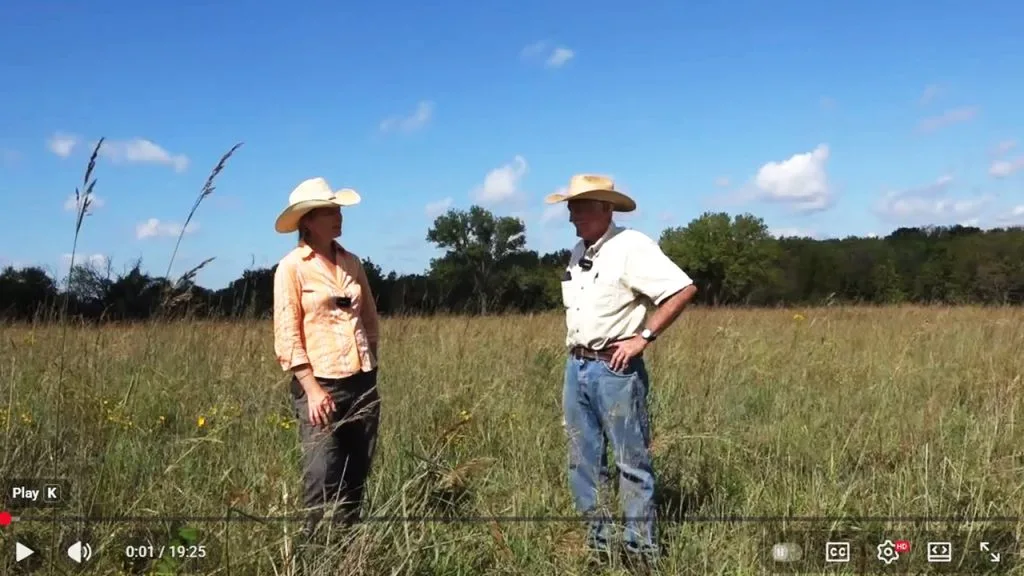
To maintain healthy grassland plants, ensure that the same plants are not grazed short year after year. Join Elizabeth Steele as she taps into Steve Clubine’s first-hand knowledge of this system. Steve has years of experience as a Grassland Biologist for the Missouri Department of Conservation.