
Silphium perfoliatum
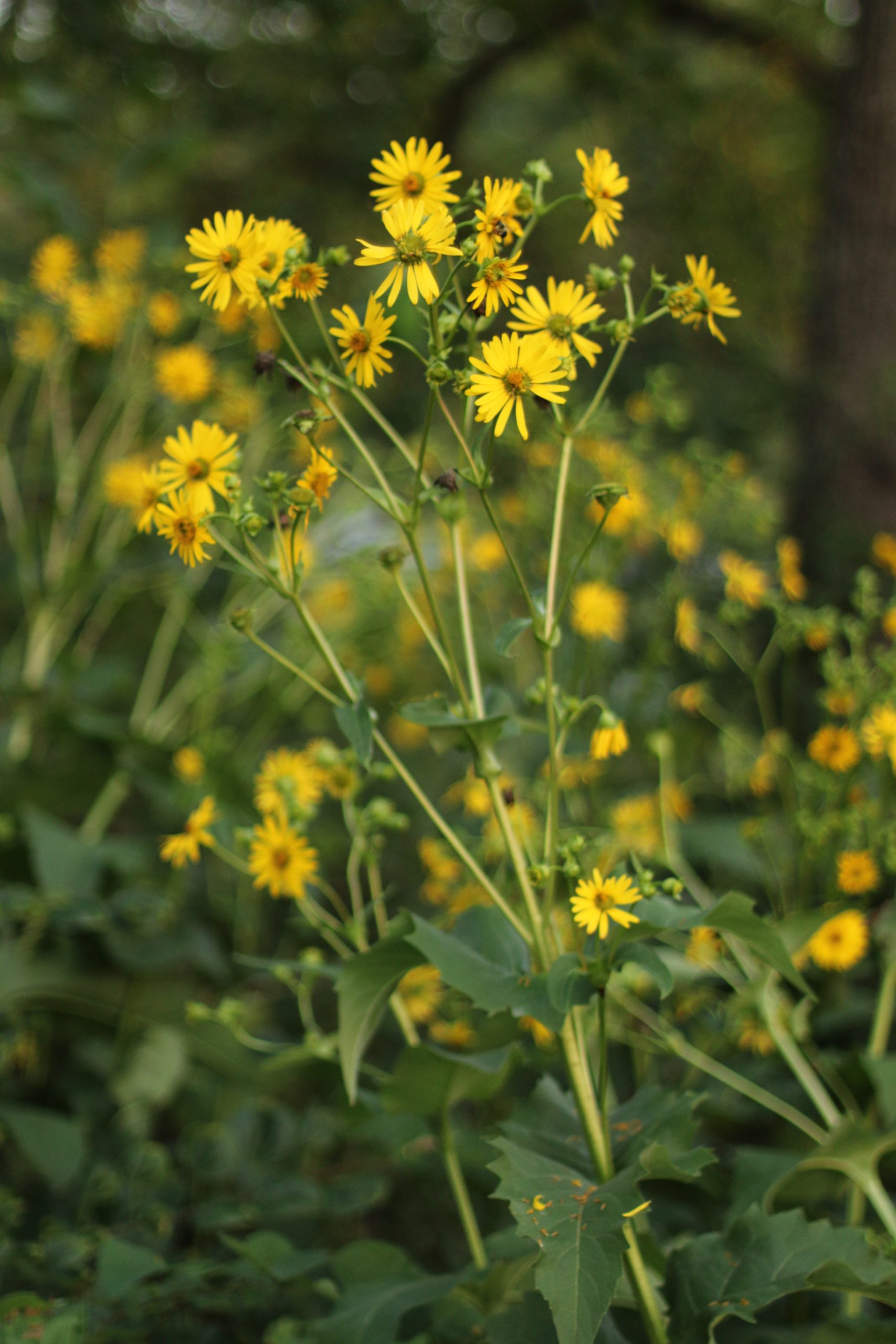
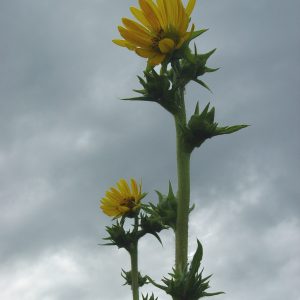
Square stems with cupping leaves lend a verticality to this raingarden and wildlife plant
$3.00 – $94.00Price range: $3.00 through $94.00
For quantity discount pricing, request a quote.
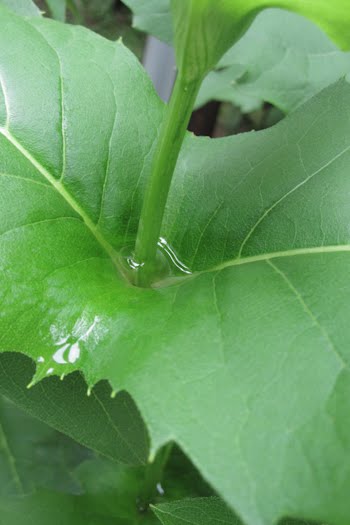
Cup Plant, which is also called Carpenter’s Square, is adaptable by design but mysterious in nature. It is an excellent wildlife plant due to the food and shelter it provides, but it also has an extra design element that allows it to serve as a drinking fountain. As a livestock forage, Cup Plant is wonderful for beef and dairy cattle, chickens, and honeybees (it can even be made into sileage). Because the leaves cup together in such a way to hold water and the thick, square stems, this plant is quite a novelty for kids (and adults) making it a great addition to a teaching garden. A very tasty reason to grow Cup Plant is that in early spring the basal leaves can be blanched and used in the place of spinach. Medicinally, the plant was used by various Native Americans to treat many ailments ranging from head colds to rheumatism and morning sickness. It was also used for cleansing and purification before beginning a buffalo hunt or other important undertakings by the Winnebago people. In a wildflower meadow, it can serve as an intriguing vertical element and has even received awards in other countries for its landscaping qualities. One last notable use is as an energy crop to produce biogas. With all of that said, the mysterious nature of the plant begs the question, “What is the purpose behind the leaves cupping together to form a small basin to hold water?” Is the water a trap for insects that are then digested by the plant, or does it serve as a physical barrier to crawling insects hoping to move up the plant’s stem, or something else? This mystery remains unsolved, but because of its adaptable design, you might find a spot for this plant in your wildlife habitat, pasture, or it may even fit nicely into a certain spot in a wildflower meadow.
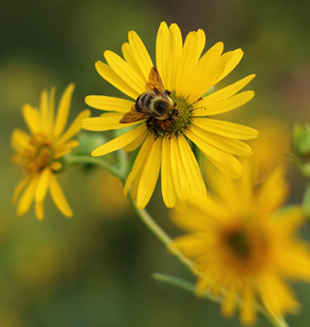
This plant is an all-in-one habitat plant serving as a food source, watering hole, and home for many species of wildlife (but possibly the most interesting is the wasps – read on). The flowers are popular with bees, butterflies and other pollinators. Birds, especially goldfinches, take a fancy to eating the high-fat seeds and also drink the water held in the cupped leaves. The colonies of Cup Plant provide an excellent source of cover for birds and other critters. However, the strangest wildlife association is that the Gall Wasp (Antistrophus sp.) lays eggs into the stem of the Cup Plant causing a gall or swelling in the stem. These Gall Wasps only use Silphium species for their eggs, and when the eggs hatch, the larvae feed on a specialized lining of nutritious cells within the gall. When mature, the wasp bores through the stem. It gets stranger yet. Other parasitic wasps lay their eggs into existing stem galls and their larvae attack and parasitize the Gall Wasp. It keeps getting stranger as these parasitic wasps may be parasitized by yet another parasitic wasp. What a drama hosted by one plant!
It may look coarse and unpalatable, but in this case, the looks are deceiving. It can be part of the forage chain for everything from cattle to honeybees and chickens. Cattle relish the leaves and parts of the stems. In fact, much research has been done on this plant as a forage. A study in Wisconsin concluded that Cup Plant silage can replace at least 30% of the conventional corn or alfalfa silage in the diet of lactating dairy cows without sacrificing performance1, and it can be grown in locations not suitable to the other crops. Cup Plant is also savored in the pasture by beef cattle and is a wonderful addition to a Diverse Native Grassland. Plant secondary compounds, which are important to animals for self-medication as well as providing health benefits to the people who eat the meat or milk of the animals, number as many as 85 in Cup Plant. Free range chickens appreciate the plant as they spend time scratching to find its seeds, which are large and have a high fat content like sunflower seeds. Lastly, honeybees make use of Cup Plant flowers, and it can be a summer-time foraging resource to raise a honey crop.
It may be tall, but it is a striking plant in a wildflower meadow, especially in the background. In fact, in some places, such as the UK where it was given the Award of Garden Merit by the Royal Horticultural Society in 2002, Cup Plant is prized as an ornamental plant. (Why is it that plants are appreciated in landscapes more when they are not native??) Another plus is that Cup Plant is regarded as deer resistant. When included in a wildflower meadow, it is important to choose a location where it is adapted and where the height is not a problem.
Cup Plant was historically part of moist prairies, meadows near rivers, woodland edges, fens and seeps, and lake borders. In restorations that are planted today, this plant can be a wonderful addition in places where the plant is adapted and the height is not a concern. Including Cup Plant in a restoration planting provides a host of other benefits including wildlife and pollinator habitat.
1 Albrecht KA, KJ Han, and DK Combs (2017). Silphium perfoliatum L. silage as alterative to lucerne and maize silage in dairy cow rations. Sassari.
Watch videos about this plant:
| Weight | N/A |
|---|---|
| Unit | Packet, Ounce, Pound |
| Light | Full Sun to Part Shade |
| Soils | Average, Moist |
| Height | 72"-96" |
| Bloom Month | Jul, Sep |
| Color | Yellow |
| Specialty Uses | Wildlife |
| Life Cycle | Perennial |
| # seeds/pkt | 200 |
| Packet coverage area | 5 sq. ft |
| Seeding Rate | 9 bulk lbs/acre |
| Cattle Palatability | Good |
| Planting Season | Dormant |

Pure Live Seed (PLS) is the portion of good viable seed per pound. It is a measure of the seed that is alive and able to sprout into plants. This product is sold by PLS ounce/pound. To provide one ounce/pound of viable seed, you will receive more than one ounce/pound of product. Read more about PLS here.