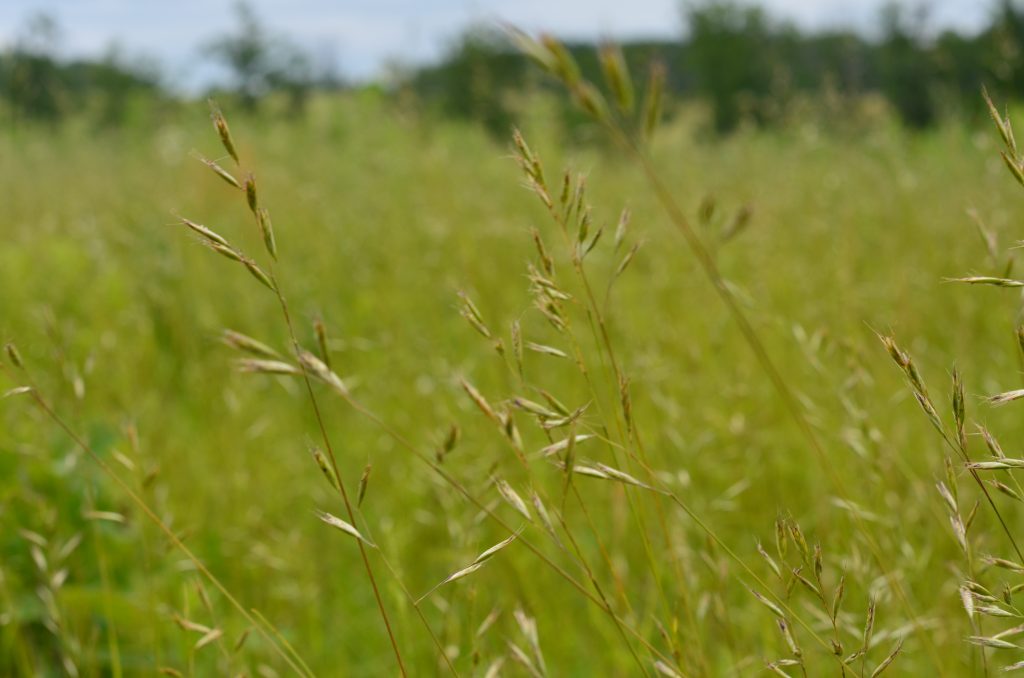
Join Elizabeth Steele on a quest for a viable native alternative to the traditional American lawn, using Poverty Grass (Danthonia spicata).
Rethinking the American Lawn: Smarter Native Lawn Alternatives
The traditional American lawn has long been the standard—but it comes with real costs. Between constant mowing, watering, fuel, and chemical inputs, it demands time, money, and resources while offering very little benefit to the environment. That’s why more landowners are starting to explore Native Lawn Alternatives that work with nature instead of against it.
Why Move Away from Traditional Lawns?
A conventional lawn:
Requires frequent mowing (and fuel use)
Depends on fertilizers, herbicides, and pesticides
Consumes significant water to stay green
Provides little to no habitat for pollinators or wildlife
In short, it’s high-maintenance and low ecological value.
A Better Option: Native Lawn Alternatives
Research, including trials from the Cornell Botanic Gardens, has shown that low-maintenance native lawns are not only possible—they’re practical.
Their goal was simple:
Minimal to no mowing
No chemical inputs
Little to no watering
Reduced weeding
High native plant content (85%+)
Establishment from seed
Their solution? Poverty grass (Danthonia spicata).
These native grasses naturally grow low, require minimal care, and thrive in poor, dry soils—making them ideal for Native Lawn Alternatives.
Why Poverty Grass Works
Poverty grass stands out because it:
Stays short (often 4–8 inches) except for the short period when it has knee-high seed heads.
Tolerates both sun and partial shade
Thrives in dry, low-fertility soils
Requires little to no maintenance once established
With just one or two mowings per year (if any), it can mimic a traditional lawn—without the workload.
The Key Principle: Right Plant, Right Place
Success with Native Lawn Alternatives comes down to one idea: match plants to your site.
Dry, rocky soil in full sun? Ideal for Poverty Grass or Buffalo Grass or a mix.
Dry, clay soil in full sun? Ideal for Poverty Grass or Buffalo Grass or a mix.
Dry, rocky soil in part shade? Ideal for Poverty Grass.
In other words, consider if your site is wet vs. dry and shade vs. sun & pick species accordingly.
In fact, lower fertility soils often perform better for native lawns, reducing weed pressure and maintenance needs.
Design with Nature in Mind
Instead of forcing a uniform lawn, think like nature does. This concept—known as biomimicry—encourages diversity and resilience.
Pollinator-friendly species (bergamot, mountain mint)
Complementary grasses (like buffalo grass in sunny areas)
This creates a more dynamic, visually interesting space that supports wildlife while staying manageable.
Rethinking “Beauty”
Native Lawn Alternatives may not look like a golf course—and that’s the point. Beauty becomes more personal:
Do you prefer clean and minimal?
Or a mix of textures, blooms, and seasonal change?
There’s no single “right” look—only what fits your goals and lifestyle.
Final Thought
If you’re tired of high-input lawns, Native Lawn Alternatives offer a smarter path forward. By choosing the right plants and working with your site—not against it—you can create a landscape that’s lower maintenance, more resilient, and far more beneficial to the world around you.