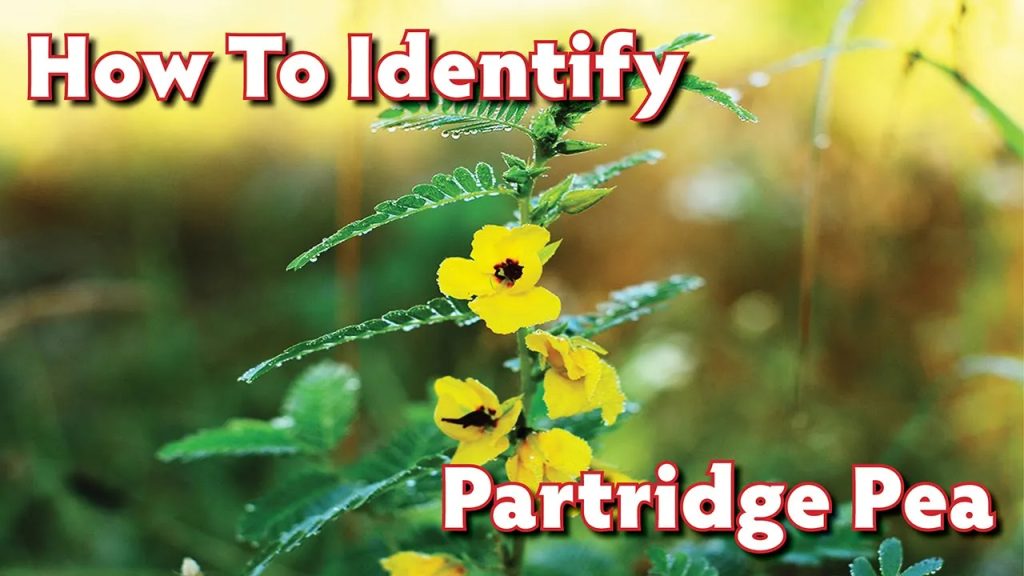
Our resident experts, Elizabeth Steele and Colt Hamilton give you their insights, tips & tricks on how to identify Partridge Pea, Chamaecrista fasciculata
This video walks through how to identify partridge pea seedlings right after germination, which is often the trickiest stage for people doing native plantings. Filmed out in the field, Colt digs up several seedlings and shows how to tell partridge pea apart from common look-alikes like ragweed or grasses. He explains that partridge pea seedlings stand out early because of their large, fleshy cotyledons (seed leaves), which are shaped similarly to the inside of the seed itself, and how the seed coat actually comes up on the plant like a little hat before falling off.
As the seedling develops, watch for the transition from the round cotyledons to the plant’s true leaves, which have many small, opposite leaflets.
Elizabeth breaks this down clearly, pointing out that what looks like many leaves is actually one leaf made up of 8–20+ leaflets — a classic legume trait. She also covers other helpful ID clues, like the round stem that rolls between your fingers, alternate leaf placement as the plant grows, the presence of stipules at the base of the leaf, tiny hairs on the stem and leaf edges, and the slightly pointed tips of the leaflets.
The video also explains why partridge pea matters beyond identification.
In Missouri and much of the region, it’s one of the first native forbs to germinate, making it a valuable indicator species for timing field management and evaluating native seedings. Elizabeth shows early root nodules forming on the seedling, explaining how partridge pea partners with soil bacteria to fix nitrogen — essentially fertilizing itself even at a very young stage.