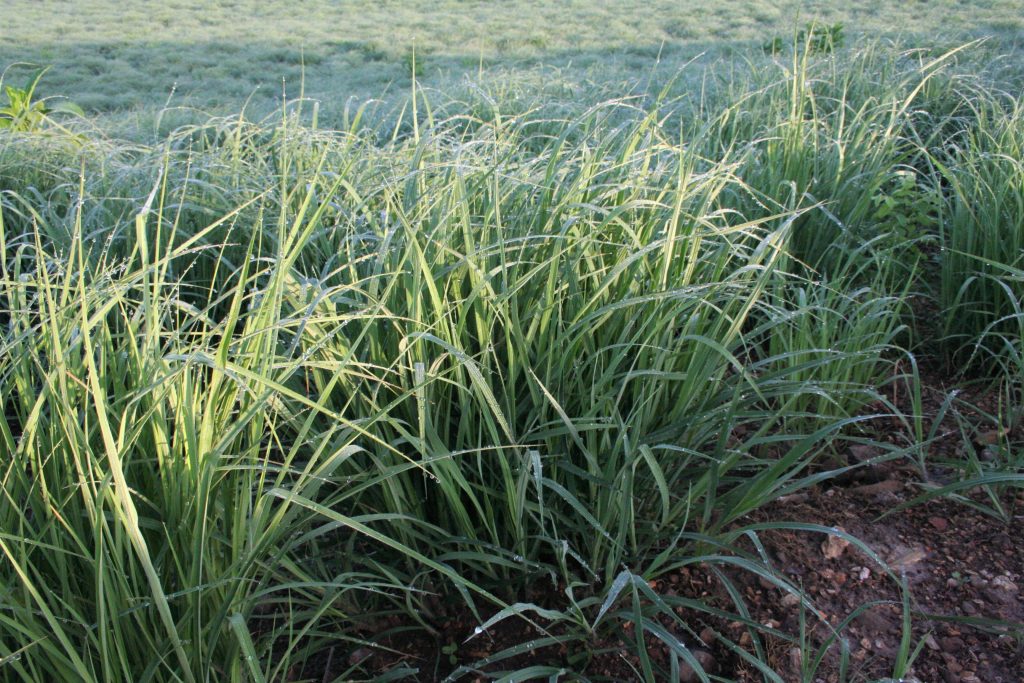
Identifying seedlings in a first-year planting is hard. This post has multiple tools to help you identify Big Bluestem (Andropogon gerardii) seedlings. The characteristics are listed below, but there is also a video and a take-to-the-field guide that you can download and print. Good luck with learning to identify this native warm season grass!
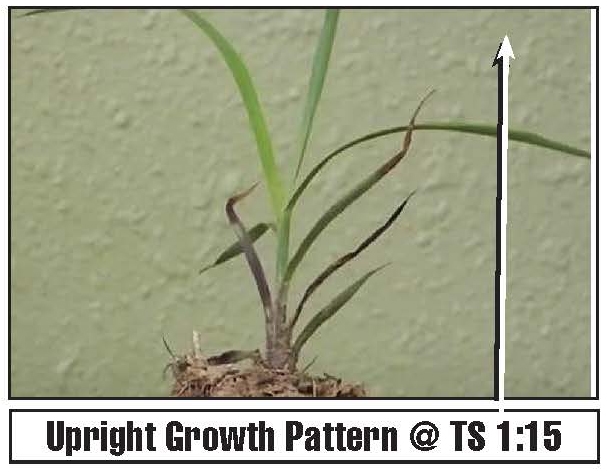
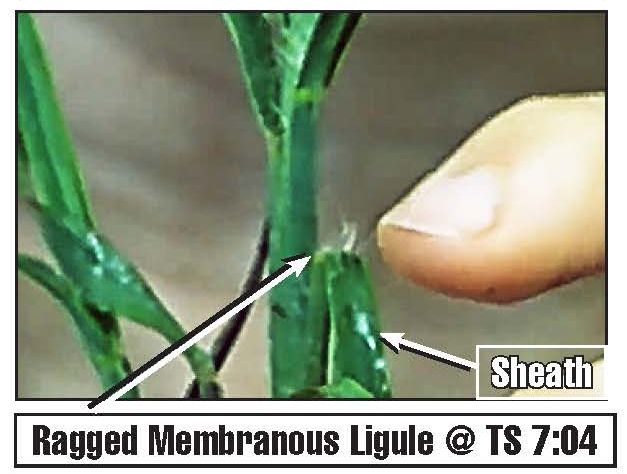
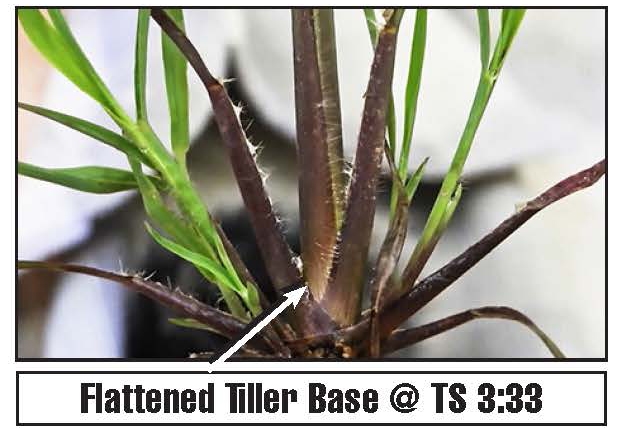
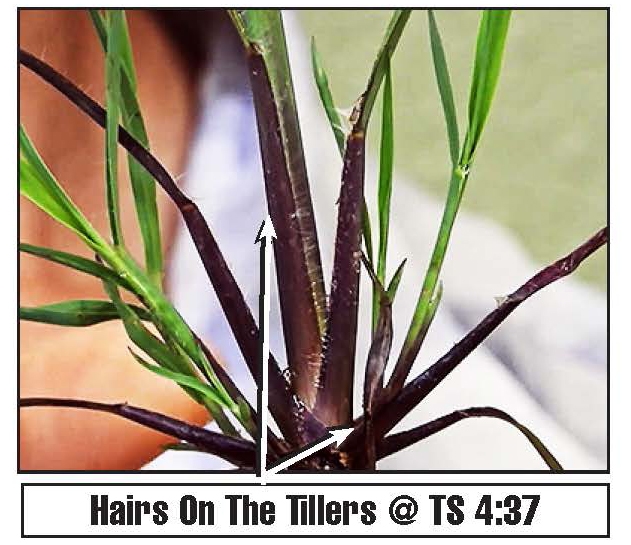
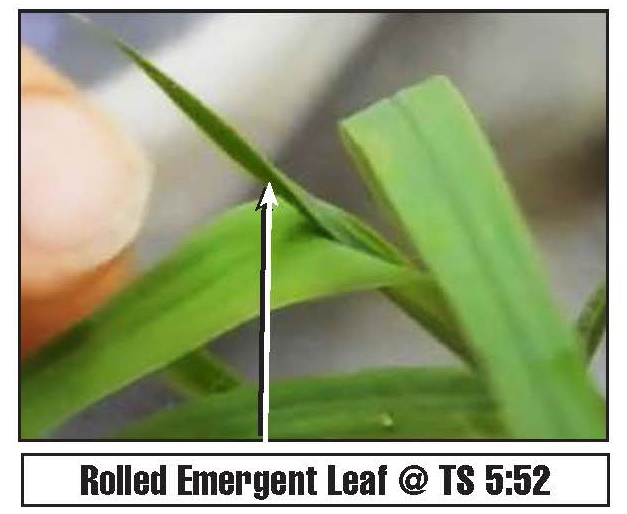
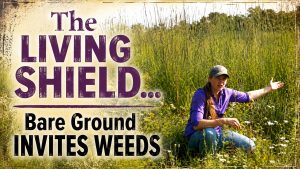
In this video we take a look at the characteristics for identifying Big Bluestem seedlings and also go to the field to see how it looks in a new planting. In this video, this field was established with Panoramic/Plateau herbicide, which has greatly reduced the weed competition. However, with more diverse plantings, this herbicide is not an option, and identifying Big Bluestem seedlings becomes more difficult amid the abundance of weeds.
Download Big Bluestem Seedling Identification Guide
The following seedling identification guides are also available
We have guides for various weed control techniques during the first year of a native planting such as mowing high, using selective herbicides, and grazing. The First-Year Weed Control Overview can help you know which options may be best for your planting.